Legacy and architecture are closely linked, both shaping the culture and environments around them. Architecture and design create spaces that help define the cities and communities they exist in. They tell a story. Over time, they become part of what a city is known for and can serve as a driver for art, technology, and innovation in ways that extend beyond their original intent.
For over 104 years, Nacht & Lewis has been shaping Sacramento’s skyline and legacy. Across generations, we’ve seen our work take on a life beyond its original intent. Through film, storytelling, and a lasting presence in the community, our projects have become part of Sacramento’s broader cultural identity.
Gordon Schaber Courthouse in One Battle After Another: A Catalyst for Filming in Sacramento
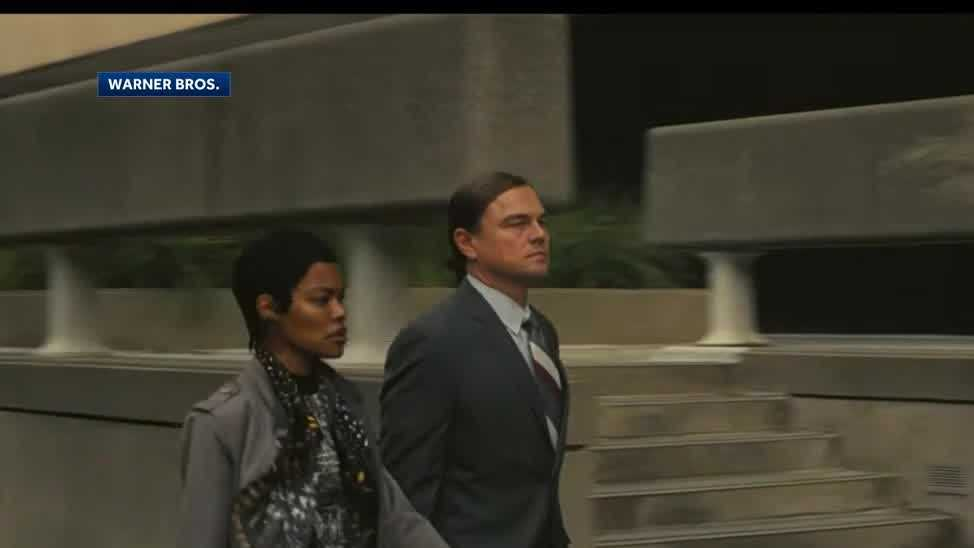
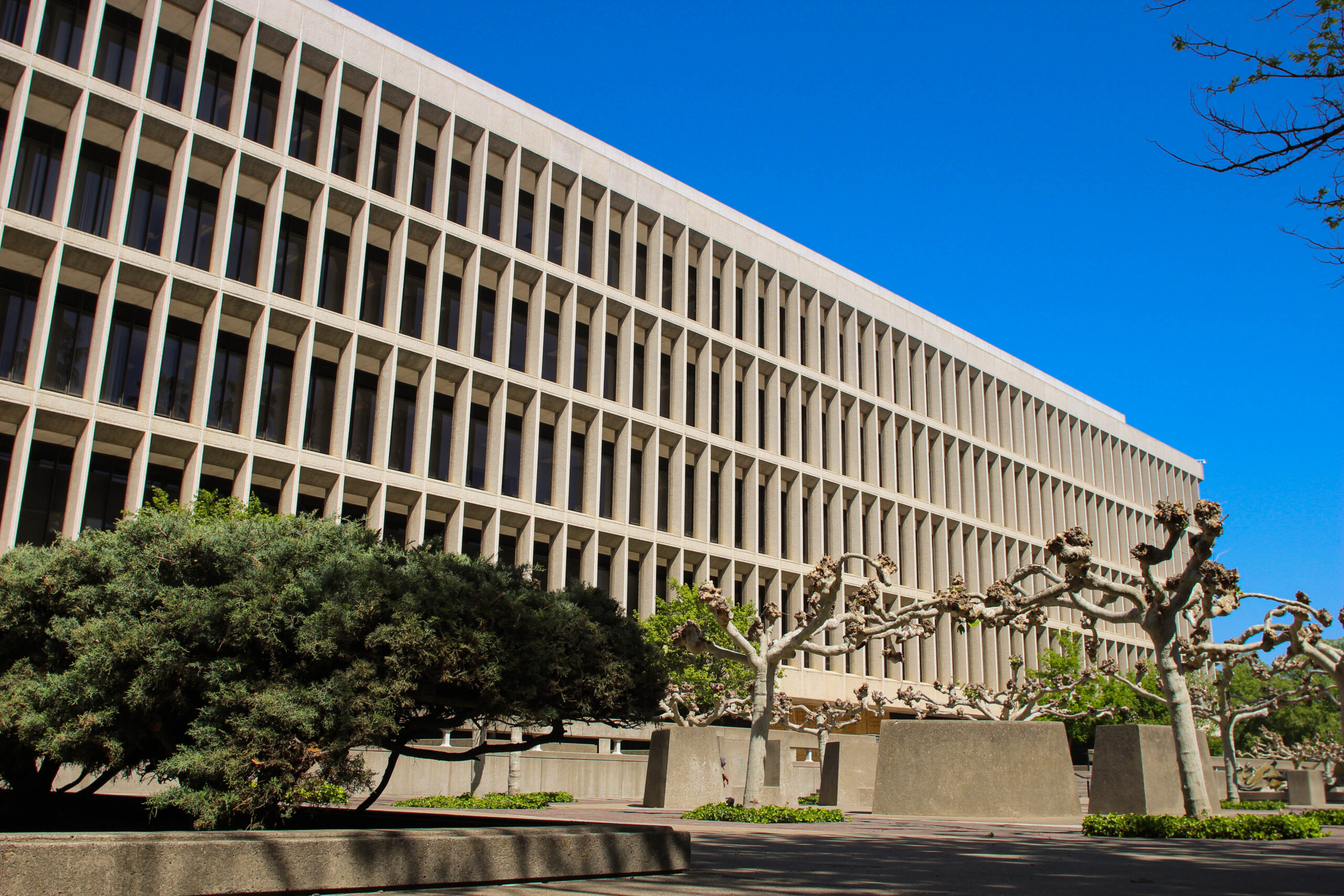
We see this most recently with the Sacramento County Gordon Schaber Courthouse appearing in the film One Battle After Another, starring Leonardo DiCaprio. The Gordon D. Schaber Courthouse was designed in 1965 and is home to the main administrative offices, trial courtrooms, the presiding judge’s office, and general civil and criminal case processing support units. The courthouse is a brutalist civic building defined by its large scale, exposed concrete, and strong geometry that create a sense of authority within Sacramento.
In the film, it serves as a key location for courthouse scenes and exterior shots in front of the building. Its brutalist design and scale helped establish the backdrop the film was seeking and influenced the production’s decision to film in Sacramento.
Our design has played a role in bringing Sacramento into a wider cultural lens, evolving beyond its original function.
C.K. McClatchy High School in Rescue Me: Across Generations of Media
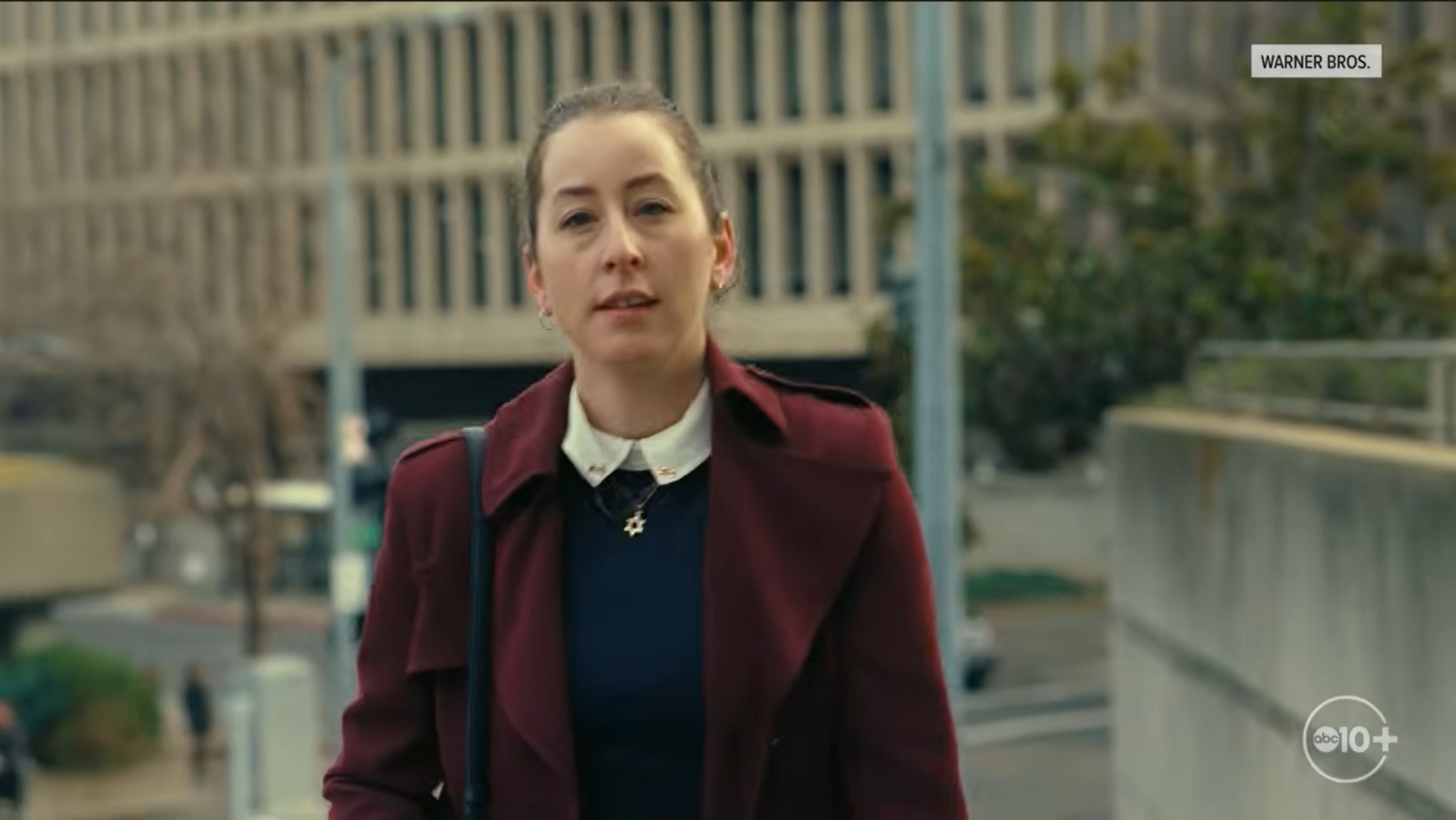
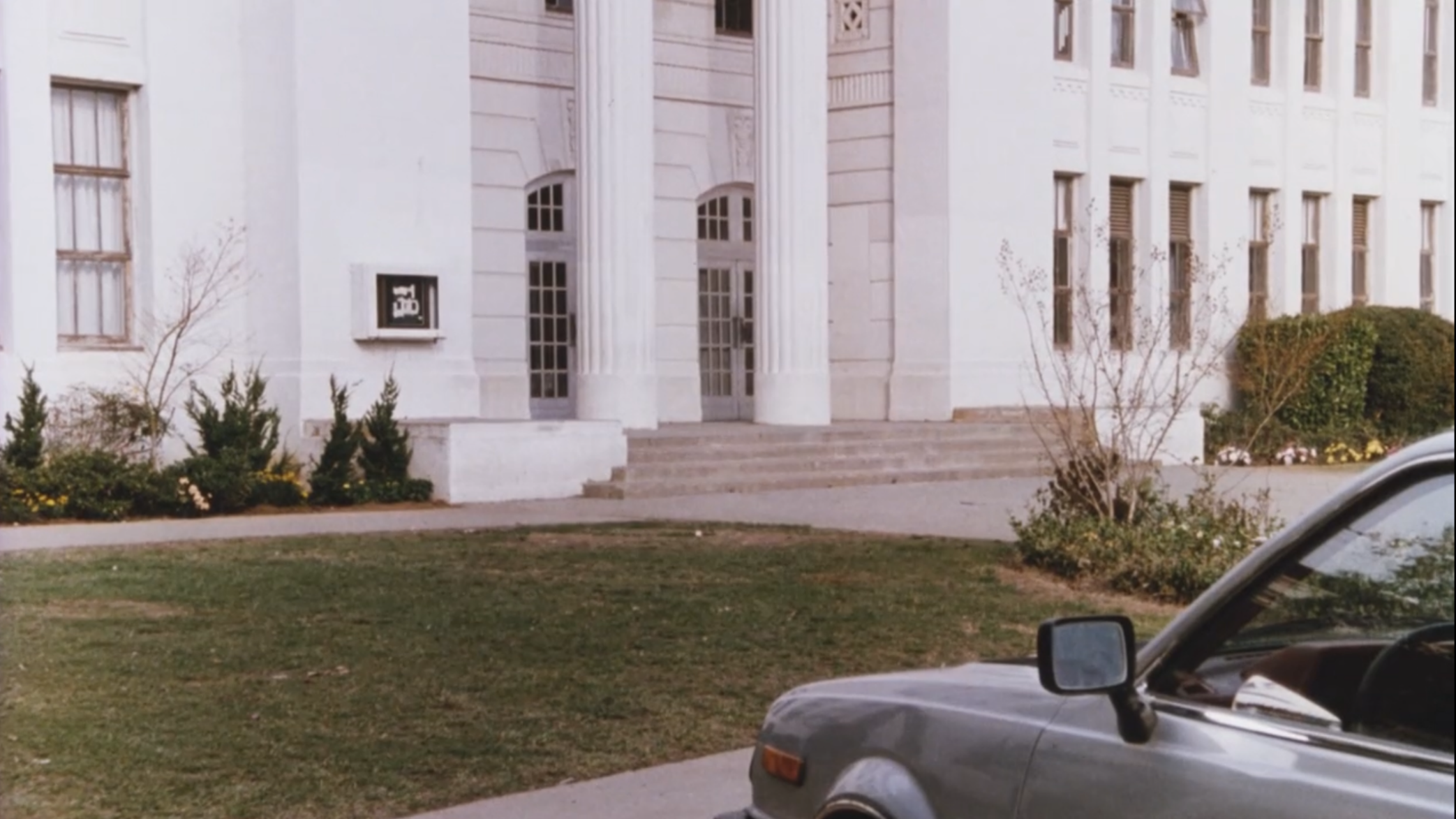
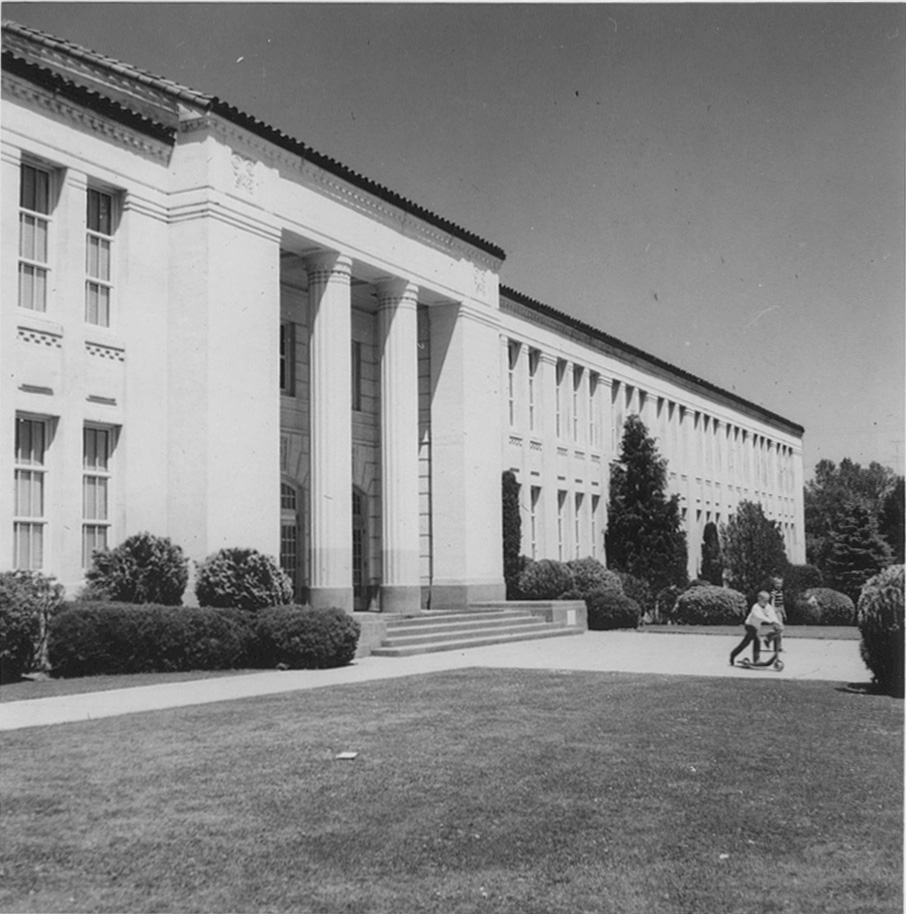
Our legacy spans generations and therefore so does the media it appears in. CK McClatchy High School was designed in 1937, funded through a combination of local sources and the Public Works Administration (PWA), one of the New Deal programs created to stimulate the US economy following the Great Depression. CK McClatchy High School reflects a pared-down PWA-era approach, combining Moderne simplicity in its overall form with subtle classical influences that are described as “Mannerist Revival”. Now listed on the National Register of Historic Places, the school has remained a Sacramento landmark for nearly a century. It has existed through major shifts in how media and technology shape visibility, from print-era documentation to modern film and digital storytelling, continuing to reappear in new contexts over time.
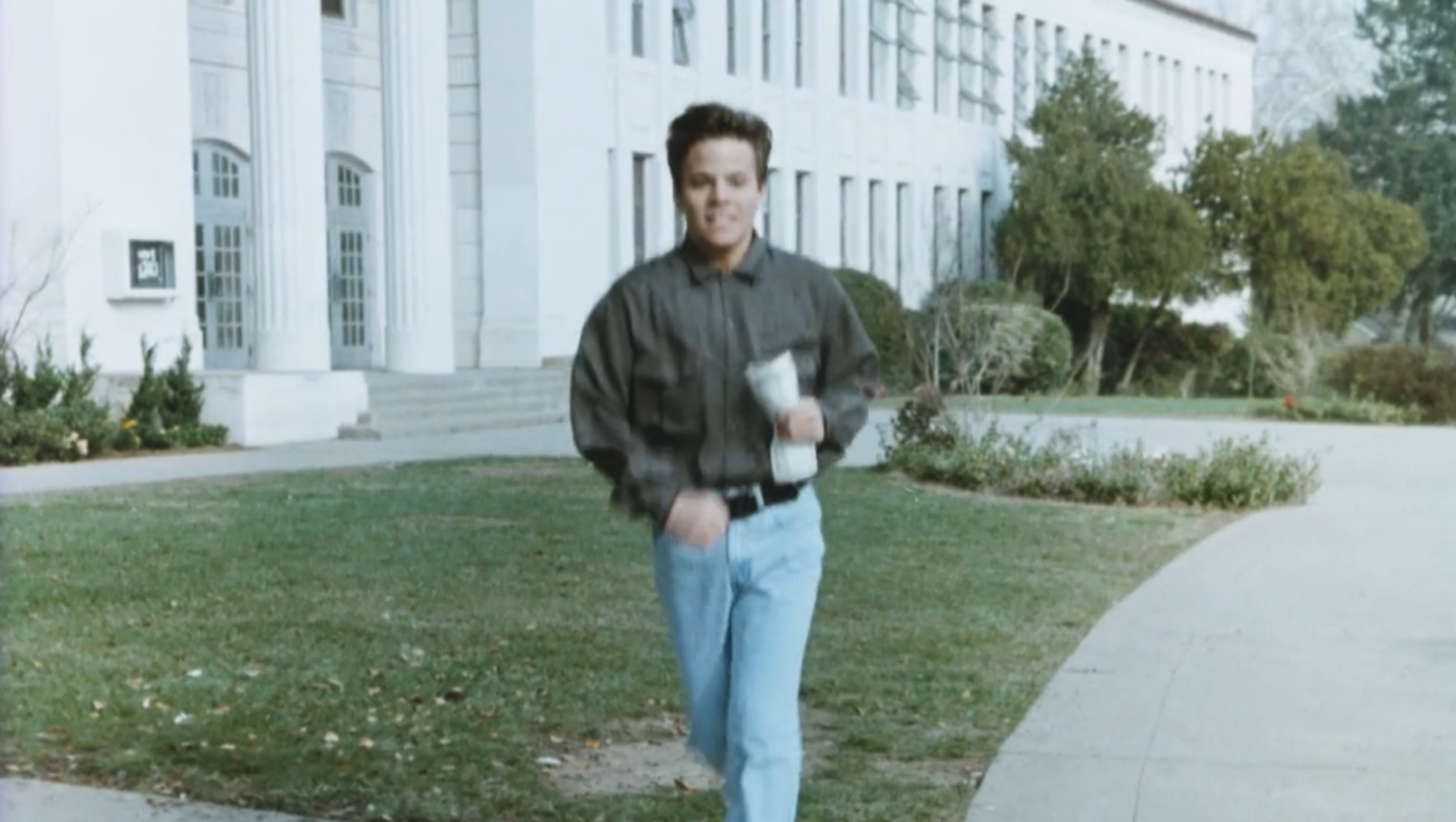
In 1992, CK McClatchy High School had its moment on the screen in Rescue Me. The production used the school for both exterior and interior shots. The building frames both the opening and closing scenes of Rescue Me, demonstrating how well-designed spaces remain relevant, functionally and culturally, across generations. The school even received recognition in the end credits stating “Special Thanks to: The people of Auburn, Grass Valley, and Placerville, California; the students and faculty at CK McClatchy High School, Sacramento, California.”
Infrastructure and Identity: KXTV Channel 10 Tower
We also see this on an everyday scale with the KXTV Channel 10 Tower, a familiar fixture in Sacramento’s skyline. Originally built as a 70-foot broadcast structure, it was eventually replaced as the city grew around it and surrounding buildings and trees began to interfere with transmission. The updated tower supported modern digital broadcasting and reflected the station’s continued evolution in how it served the region. While it no longer serves as the primary broadcast transmitter and its color-changing weather lights are no longer active, it now primarily supports microwave, cellular, and a local translator signal.
Its debut was documented in a station broadcast, capturing a clear moment in that transition. Since then, it has remained a visible part of Sacramento’s broadcast identity and skyline, reinforcing how infrastructure becomes part of how a city is seen and remembered. This shows even the most functional infrastructure can become a bigger part of the environment’s culture and identity than originally thought.
The Lasting Impact of Sacramento Architecture
Across Sacramento, we see how design becomes part of something larger over time. It shows up in film, in everyday infrastructure, and in places that continue to shape how the city is experienced and remembered. What begins as function becomes presence, and over time, presence becomes identity. That ongoing evolution is what gives architecture its lasting impact.
Written by: Kaeli Asche